
"Advancing Equitable & Inclusive Practice on the College Campus"
October 16 - October 17, 2025
The 2025 DEI Symposium will be a gathering of faculty, and staff representing the Potsdam Campus Community.
The program will provide participants with a platform for critical dialogue on existing opportunities for strengthening the impact of Diversity, Equity, Inclusion initiatives and the integrated practice of Equity in higher education and the college campus.
Registration & Program Information
Please note: This conference is not open to the public. Those registering must be currently affiliated with SUNY Potsdam.
Topics
|
|
|
The workshop sessions will explore strategies to enhance inclusivity, foster cultural awareness, amplify student voices and foster a campus where all experience belonging.
Welcome Remarks
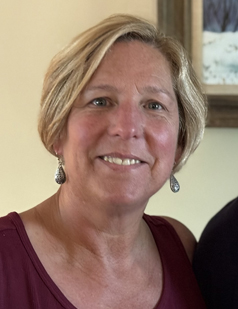
Presented by: Dr. Suzanne Smith, President, SUNY Potsdam
Please note that all events will take place on the second floor of the Barrington Student Union.
Thursday, October 16
| Time | Activity |
|---|---|
| 8:00 - 9:00 a.m. | Check-in & Registration |
| 9:00 - 9:30 a.m. | Welcome Remarks |
| 9:30 - 10:30 a.m. | Networking Breakfast and Roundtable |
| 10:30 a.m. - Noon | Breakout Session 1 |
| Noon - 1 p.m. | Lunch On Your Own |
| 1:00 - 2:30 p.m. | Breakout Session 2 |
| 2:30 - 4:00 p.m. | Breakout Session 3 |
"Welcome Remarks"
Presented by Dr. Suzanne Smith, President of SUNY Potsdam.
Student Success Summit Overview and Roundtable
Presented by: Dr. Jacqueline Richardson-Melecio and Eric Duchscherer
Creating Healthy Ecosystems
Presented by: Josh Brown, Assistant Director, Potsdam Counseling Center
Workshop Description:
A presentation designed to assist attendees with broadening their understanding of today's college students, how to ensure they and their departments are "student ready," and provides actionable resources to promote health and belonging amongst the entire campus community.
Hot Topics in Higher Education- The Legal Landscape and Campus Impact
Presented by: Mishka Woodley, Esq. SUNY General Counsel
Workshop Description:
The Office of General Counsel will be joining us to discuss critical legal issues impacting SUNY campuses systemwide and the importance of ensuring that SUNY’s commitment to diversity, equity, and inclusion (DEI) remain at the forefront of campus policies, procedures, and practices.
Discover, Connect, Learn
Presented by: Jessica Burnett, Maya Dufresne, Jacob Hammond, Sean Partridge, Kevin Tyler and Diana Valdez
Workshop Description:
Join us for a dynamic panel presentation featuring the student support offices located on the first floor of Sisson Hall. Learn how ACE, Accommodative Services, Bridges, EOP, and TRIO are fostering diversity, equity, and inclusion while creating meaningful opportunities for student success.
Hear firsthand how these programs are building community, promoting belonging, and supporting their student populations.
Enrollment Trends at SUNY Potsdam: Understanding Our Changing Student Demographics
Presented by: Judy Singh, Director of Institutional Research and Assessment
Workshop Description:
Description: This presentation will explore the changing demographics of SUNY Potsdam’s student population. Using enrollment trend data, I will highlight how our student body has evolved over time and discuss the implications of these shifts for institutional planning and student support.
Faculty & Student: Diversifying the Curriculum for Violin Teaching
Presented by: Dr. Timothy Yip, Assistant Professor: Music Business Coordinator & Violin, SUNY Potsdam, Alyssa Spina, Student, Michael Wong, Student
Workshop Description:
Violin curricula, such as the Essential Elements method, shape both performance and historical understanding. However, many Western methods overlook contributions from underrepresented composers, limiting perspectives on music history. Existing resources are often scarce or costly, creating barriers for musicians and educators. This project serves to supplement music educators’ curriculum in music history and violin performance by offering an accessible repertoire list of underrepresented and historically marginalized Western composers.
This project supplements music education by providing an accessible repertoire list of historically marginalized composers, integrating diversity into music history and violin instruction. By analyzing musical works, we curated a sequence tailored to different education levels, fostering inclusivity and broadening available teaching materials.
Our resources highlight the significance of marginalized composers, ensuring instructors have practical materials for students of all ages. Expanding this project’s reach is essential to accessibility and supporting an inclusive musical landscape for music history and Western violin performance.
Violin curricula used in the United States often overlook contributions from underrepresented composers, limiting voices and perspectives on the instrument's history. This workshop outlines these challenges and showcases a catalog of underrepresented repertoire and composers for the violin. Exploration of music and composers such as those featured in our resource is an important step towards greater accessibility and inclusivity in music teaching and learning.
Hot Topics in Higher Education- The Legal Landscape and Campus Impact
Presented by: Mishka Woodley, Esq. SUNY General Counsel
Workshop Description:
The Office of General Counsel will be joining us to discuss critical legal issues impacting SUNY campuses systemwide and the importance of ensuring that SUNY’s commitment to diversity, equity, and inclusion (DEI) remain at the forefront of campus policies, procedures, and practices.
Disagree with Integrity: Thoughtful Habits for Thoughtful Discourse
Presented by: Josh Draeger, Professor of philosophy at SUNY Buffalo State
Workshop Description:
Democracy requires citizens with the wherewithal to navigate deep disagreements. Unfortunately, even good people tend to dig-in rather than listen. On the assumption that each of us is a work-in-progress, you’re invited to reflect on how you handle a variety of uncomfortable situations and consider cultivating a series of interrelated habits (humility, curiosity, courage, and empathy) that allow us to maintain our integrity while engaging those with whom we deeply disagree.
Death By a Thousand Cuts: Microaggressions, Mindfulness, and Fostering Safe Spaces
Presented by: Dr. Emily Hamilton-Honey, Chief Diversity Officer, SUNY Canton
Workshop Description:
This workshop will give an overview of what microaggressions are and why they are harmful, focusing in particular on microaggressions that are less common and visible – for example, ones that are often used against particular religions, child-free folks, the LGBTQ+ community, and more. We will also discuss strategies for being mindful and how to stop perpetuating microaggressions, as well as what to do when you unintentionally do use a microaggression against someone. It takes all of us to create a safe and understanding community!
Inclusive and Equitable Student Event Planning
Presented by: Nichelle Burnett, Career Services Coordinator, SUNY Potsdam, Max Grube, Internship Coordinator, SUNY Potsdam
Workshop Description:
This interactive session invites participants to step back and reflect on how inclusivity and equity can be intentionally woven into student events. We’ll share lessons learned and practical strategies used during the past year of event planning in the Lougheed Center for Applied Learning, creating space for you to do the same. Whether you're planning large-scale campus events or intimate gatherings, you'll leave this session with renewed perspective and actionable ideas.
Learning Objectives
- Develop strategies for planning and executing inclusive events.
- Brainstorm examples of equitable event planning in your office or organization.
- Identify ways to improve participant belonging at events.
“I Don’t Want To Say It Wrong”: Teacher’s Perceptions of In/equity in Rural Extracurriculars
Presented by: Holly Marcolina, Instructor Teacher Education, SUNY Potsdam
Workshop Description:
Guided by a critical pedagogy of place (Azano et al., 2021; Greenwood, 2008; Gruenewald, 2003), this multi-site critical ethnography explores teachers’ perceptions of racial in/equity as related to extracurricular activities and events in rural school contexts by interrogating the systems and structures surrounding these events. Small town extracurricular practices warrant scrutiny for their potential complicity in perpetuating non-equitable, dehumanizing, and deficit-based narratives regarding individuals of color, along with those from low-income backgrounds, or any other marginalized demographic. Data revealed that teachers responded in one of four ways to questions about equity: contradiction, recognition, avoidance, or apology. This study uncovers the nature of rural teachers’ extracurricular work and their perceptions about how this work makes their rural school a more just and equitable place for all.
Learning Objectives:
- Attendees will identify the benefits of extracurricular involvement in K-12 schools
- Using data gathered by the researcher, attendees will compare/contrast participant responses
- Attendees will draw conclusions about how to best prepare future teachers, particularly those working in rural schools, to address issues of equity.
Friday, October 17
| Time | Activity |
|---|---|
| 8:30 - 9 a.m. | Check-In & Registration |
| 9 - 10:30 a.m. | Plenary Session |
| 10:30 a.m. - Noon | Breakout Session 4 |
| Noon - 1 p.m. | Lunch On Your Own |
| 1 - 2:30 p.m. | Closing Plenary |
Advancing Equitable Student Success in the Midst of Uncertainty
Presented by: Dr. Tiffany Polite, FGM Consulting & Aequitas Education Design
Workshop Description:
In times of rapid change and disruption, supporting and advancing student success requires more than maintaining the status quo — it demands bold, equity-driven strategies that meet learners where they are and prepare them to face 21st century realities. This interactive address will explore how institutions, faculty, and leaders can reimagine practices, processes, and policies to create inclusive environments that foster belonging, resilience, and achievement for all students.
Beyond the Melody
Presented by: Dr. Timothy Yip, Assistant Professor: Music Business Coordinator & Violin, SUNY Potsdam
Workshop Description:
This workshop explores how music serves as a tool for change and protest, and how we can consider ways to teach, and consume music that supports our vision for the world. Music is not just a form of entertainment; it is a catalyst for creating solidarity, providing emotional support, and amplifying voices, particularly when musical expression is heard more widely than non-musical advocacy. The session will feature examples of past and contemporary artists. These artists have used their music to support, respond to, or act as a catalyst for societal change. In doing so, they foster a more equal and inclusive world. Through case studies of a variety of artists, we will analyze the ways musicians have driven progress. We will conclude with a discussion on how we, as individuals, can think critically about how we consume, teach, and create music to actively support worthy causes for equality and inclusion.
Breaking Down Silos: Building Inclusive and Equitable Advising
Presented by: Kristen Jordan, Director of Academic Advising, SUNY Potsdam
Workshop Description:
We’ll discuss the new advising model that breaks down silos and builds stronger connections across campus. Together, we’ll share strategies for creating advising practices that foster belonging, support equity, and ensure all students have the tools they need to succeed.
Practical Strategies to Mitigate Inequities and Improve Student Success
Presented by: Lynn Braun, Director of Counseling Services, SUNY Oswego
Workshop Description:
Students show up to our institutions having had a wide variety of life experiences, which impact the resources they have to engage in the pursuit of their degree. Then they experience our campuses and those experiences either make that pursuit easier or harder, based on those experiences. This presentation will help attendees understand the ways that students show up to our campuses and will help identify practical strategies that can be used by faculty and staff to help mitigate inequities and improve student success outcomes.
Centering Storytelling: Grounding Equity Work in Connection
Presented by: Tamara Jolly, Adirondack Diversity Initiative | Adirondack North Country Association
Workshop Description:
As we work to create equitable communities on our college campuses, it is important to pause and reconnect with the core of our mission: our identities, our students' experiences, and the ways these influence the impact we aim to achieve. This workshop will take a holistic and genuine approach to equity work by inviting participants to slow down, listen deeply, and make room for storytelling as a powerful tool for connection and change. Through intentional sharing and reflection, we will explore how vulnerability fosters trust and how those connections can lead to meaningful action.
Join Tamara Jolly of the Adirondack Diversity Initiative for an open, interactive session focused on building trust, deepening relationships, and turning shared stories into tangible strategies that support more inclusive and responsive campus environments. This session will provide tools to shift how you listen, learn, and lead with equity at the center. Come ready to connect, reflect, and imagine what’s possible for our community.
Enhancing Inclusivity: A Deep Dive into Neurodiversity in the Classroom
Presented by: Dr. Samantha Crandall, Phoenix College Learning Commons, Jessica Burnett, Director of Special Student Programs Accommodative Services, SUNY Potsdam
Workshop Description:
This fall, the Office of Accommodative Services is thrilled to welcome Dr. Sam Crandall Manger, a Neurodiversity specialist from Phoenix College Learning Commons to our 2025 DEI symposium!
Building on her insightful spring 2024 webinar, "FYE Inclusivity for Neurodiverse Students," Dr. Crandall Manger will guide us through a deeper exploration of neurodiversity. This isn't just theory; it's about practical application. Get ready to discover concrete strategies for:
- Designing courses that inherently support neurodiverse learners.
- Confidently navigating real-time classroom situations with neurodiversity in mind.
To make these concepts truly resonate, we'll be incorporating a case study approach featuring specific examples relevant to SUNY Potsdam. This is an invaluable opportunity to enhance our collective ability to create a more inclusive and effective learning environment for all our students.