
A hero who made Potsdam his own is remembered
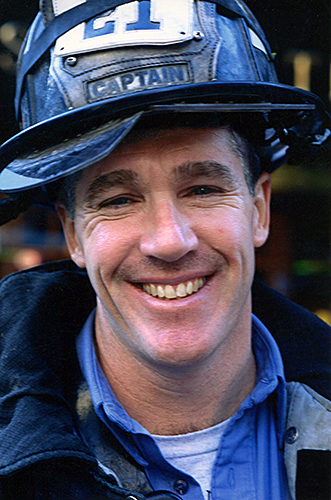
Fire Captain William F. Burke, Jr. '77 stood on the 27th floor of the World Trade Center North Tower, faced with the news that the South Tower had been reduced to rubble only moments before. Aware of what was coming and that seconds counted, he turned to the firefighters of Engine Company 21 and ordered them to return to safety at ground level.
Unhappy to leave their captain, the men milled, hesitated, looked hard into Billy’s face, but obeyed.
“Keep going. I’m right behind you,” he assured them as they retraced their steps.
The words still echo today. Billy turned back to a quadriplegic man, Ed Beyea, and his companion, Abe Zelmanowitz. Longtime friends, both worked in the World Trade Center and were unable to find a way out of the tower without a working elevator. As the seconds dragged and Engine Company 21 descended, the firemen gathered the confused, disoriented and injured, moving people out of the building as they went. Billy stayed, refusing to abandon Beyea and Zelmanowitz. At 10:28 a.m., September 11, 2001, the North Tower collapsed.
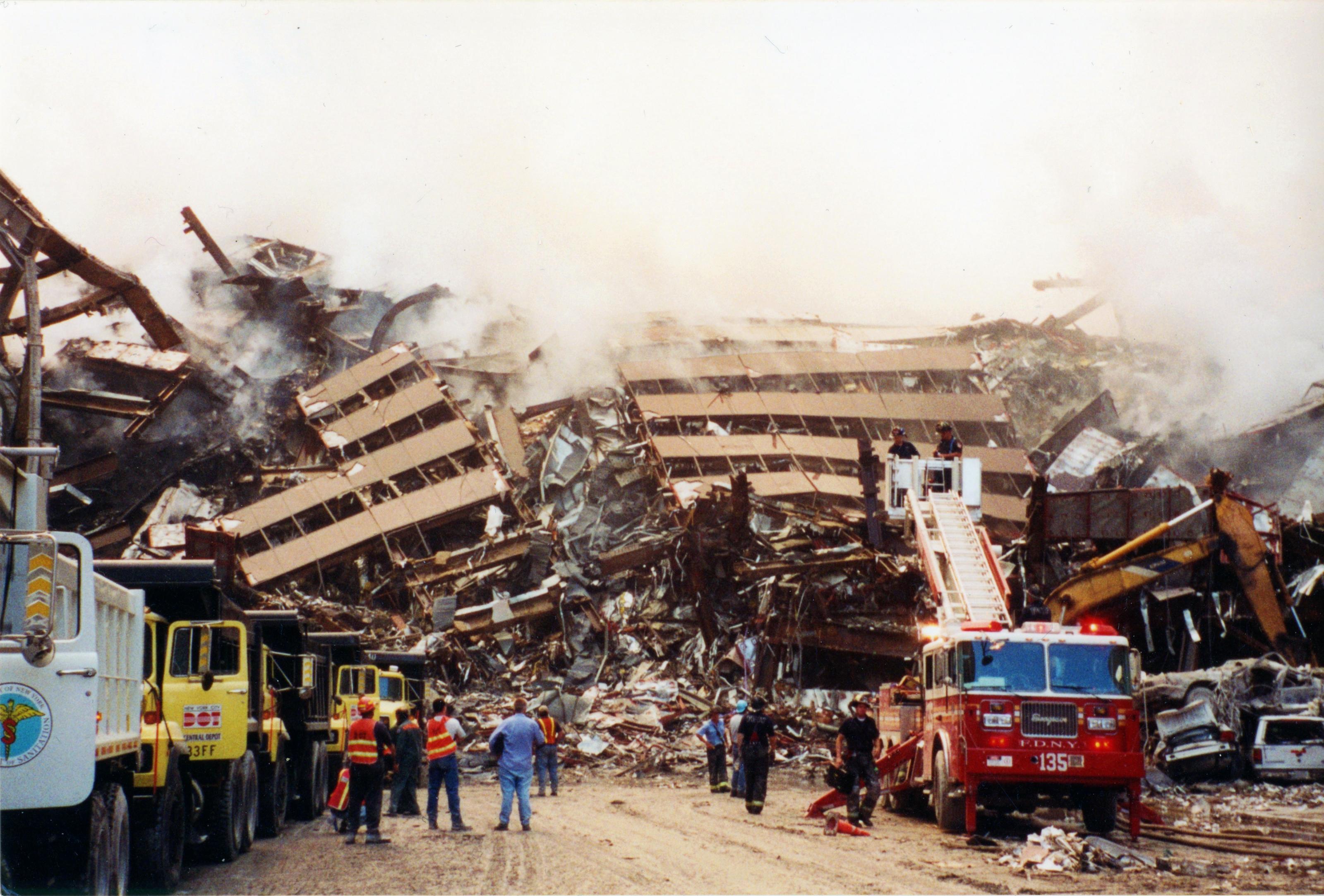
Billy was gone, one of 343 firefighters lost that day, but the rest of Company 21 survived. Because of Billy’s orders and the work of his men finding survivors as they retreated from the building, scores of lives were saved.
Twenty-five years later, Billy’s sister, Dr. Elizabeth Berry ’73, shared bittersweet reflections on his life and legacy. Beyond the heroism and deep sense of duty, Billy’s life was layered and complex. A graduate of SUNY Potsdam with a love of literature and music, Billy had a political science degree but firefighting in his blood. His father, the son of an immigrant, had retired from the Fire Department of New York City as a deputy chief, emphasizing the importance of education to his children as they grew. Along with his thirst for the broader world, Billy had a deep altruistic impulse and love for humanity that made it impossible for him to turn away from someone in need that day.
“He absolutely knew he was going to die, but it wasn’t in his genes to let two civilians die,” Elizabeth said. “So I try to tell people, he didn’t have a choice. This was who he was.”
A Life Full of Stories
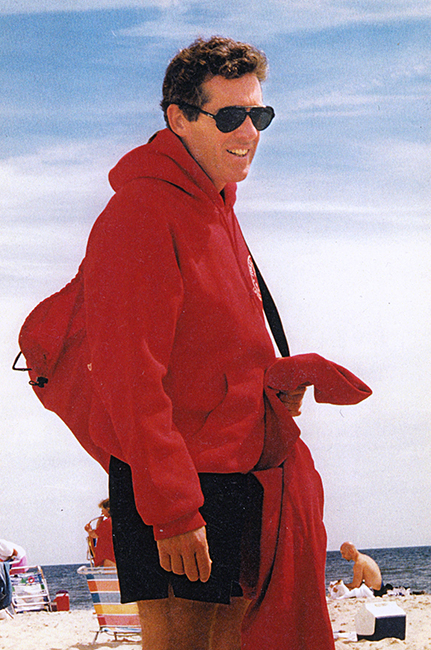
An avid lifeguard at Robert Moses State Park on Long Island since age 16, a photographer and Civil War buff, Billy dreamed of retiring from firefighting one day and becoming a literature teacher. Even as he climbed the World Trade Center on that fateful day, he was enrolled at Columbia University, pursuing a doctorate in English. He had an eye on a small college out west where a friend he had met at SUNY Potsdam was teaching.
A fire academy instructor, Billy couldn’t get enough of teaching. Walking into his shift at the fire hall with The Wall Street Journal and The New York Times tucked under his arm, he could have an introspective sensibility that occasionally caused a quizzical eyebrow to rise.
“He did a lot of things. He had a very colorful life in his 46 years,” Elizabeth said. “He said he lived in a small town called Manhattan, and you couldn't walk around Manhattan without somebody saying, Billy, hey, Bill, Bill, Billy, you know, he knew everybody. He had very, very good friends. People who became close to Billy—people Billy loved—he wouldn't allow to leave his life.”
Billy’s stories grew in his footsteps. Despite a charismatic and even flamboyant nature, he was modest and would become embarrassed and upset when they were told, but that didn’t stop the tales from circulating. One day, a young woman at Robert Moses was being carried by a riptide and was in danger of drowning the young lifeguard who had gone out to rescue her. Seeing this, Billy charged across the water’s surface to bring the woman in, head above water, singing, “Here I come to save the day. Billy Burke is on the way.” It is just one story among too many for Elizabeth to recount. She also cherishes the quieter moments with her brother, like sharing books—and the day Billy helped an elderly man who had been lifeguard achieve his dying wish of connecting a last time with the sea.
“Billy carried him into the water so he could feel the waves and the salt and the water for the last time in his life,” Elizabeth remembered.
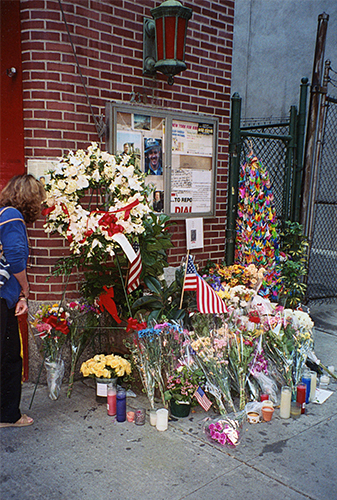
Elizabeth worked as grief counselor for the Department of Defense, bringing families who were impacted by 9/11 to Guantanamo Bay to sit in on the pretrial hearing of the five men accused in the attack. There, the unique stories of Billy’s life and role in 9/11 were told and repeated.
On the morning of that fateful day, Billy’s family heard from him over the phone telling them not to go work because the city was under attack. In turn, they pleaded with him not to go into the buildings.
“This is my job. This is who I am,” Billy responded.
Billy’s younger brother, Michael, was deeply impacted not just by the loss but the sense of community as a city pulled together in the aftermath. Looking for ways to be involved with families of other victims, he began participating in charitable tower climbs and worked with the FF Stephen Siller Tunnel to Towers Foundation to help launch the Tunnels to Towers Foundation Tower Climb NYC honoring Billy, Stephen Siller and all heroes of 9/11 lost that day. The Burke family also launched the Captain William F. Burke, Jr. Memorial Scholarship at SUNY Potsdam. Generously supported by the Siller Foundation, the scholarship has developed significant momentum.
“I think Billy would be extremely proud of it, because it's helping kids get an education, which was very important to him, and it is very important in my family,” said Elizabeth.
Threads to Potsdam
As a young woman looking to her future, Elizabeth had many choices of where to go to college. She chose Potsdam because she wanted a small institution where she could study psychology and experience life far from Long Island. Billy, the second of six children, followed her north after a brief stint at SUNY New Paltz. Something about Potsdam’s size, sensibility and creative spirit struck a deep chord. The Crane School of Music and a campus alive with sound deepened Billy’s appreciation for music, which he carried forward through his life.
“Billy loved Potsdam. Of the places he went, I think that was his favorite place, and he made friends that he kept until he died,” Elizabeth remembered. “He was a loyal donor—he used to get on my case for not giving enough to Potsdam.”
The Captain William F. Burke, Jr. Memorial Scholarship is geared to current or retired members of the FDNY—including the many fire department roles that support firemen in doing their best work —and their first-degree relatives. Financial need is not a requirement but is a primary consideration in awarding the scholarship.
“I designed it so it would not be limited to firemen,” Elizabeth said. “I wanted to make it broader and now, because the Siller family has been so generous, the scholarship has grown and I’ve expanded it to include graduate school. Two of the students we met at Potsdam are coming back during summers to get their master’s degrees, and they want to teach.”
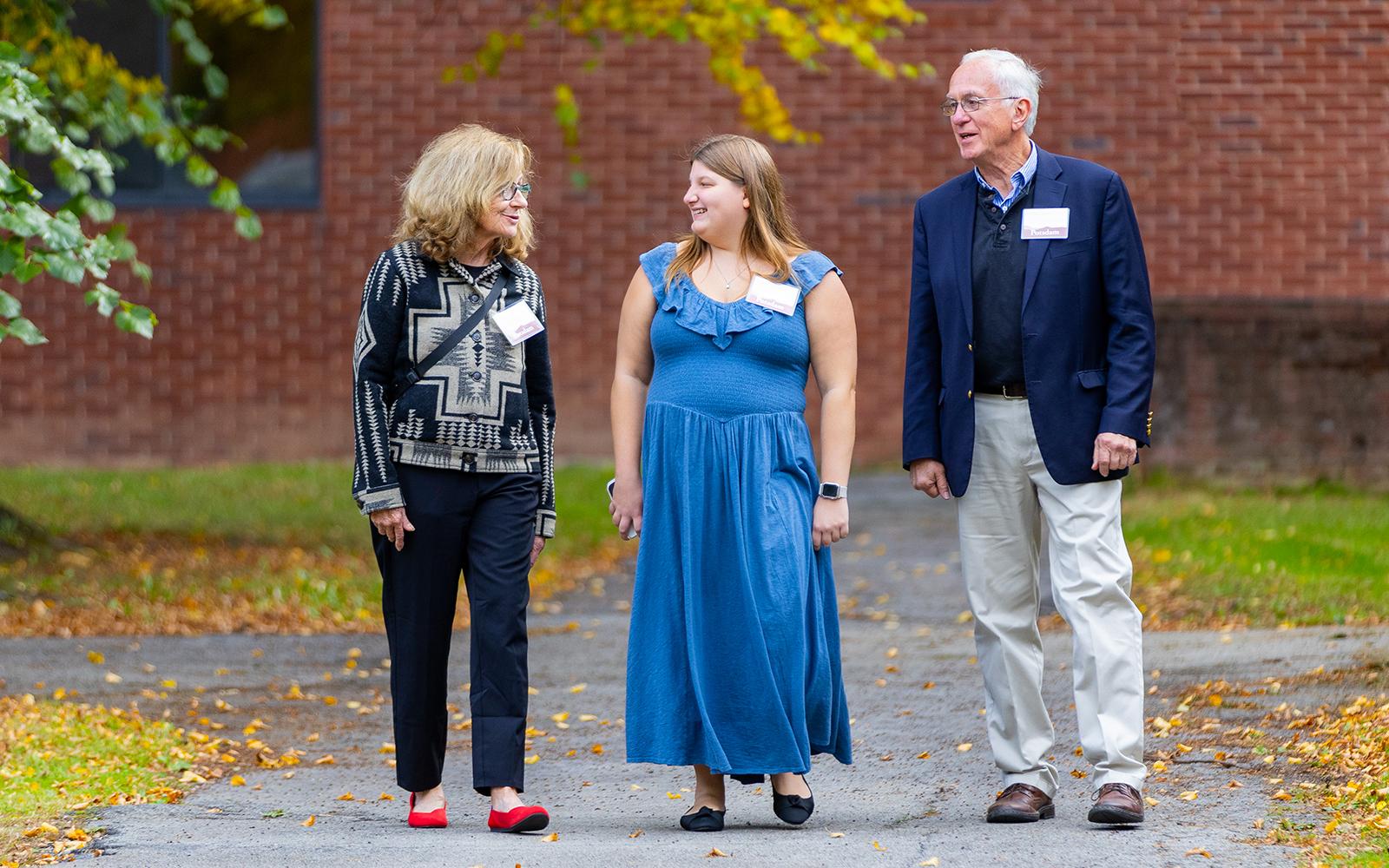
From left, Elizabeth Berry ’73, walks with Jessica Jaworski—the current recipient of the Captain William F. Burke, Jr. Memorial Scholarship—and her husband Paul Berry ’73, during the Berry’s visit to campus in the fall of 2025.
Jessica Jaworski, from Smithtown, N.Y., is a current recipient of the scholarship. The youngest of four children, she is the daughter of a retired fire lieutenant with 30 years on the department. An impassioned violinist studying music education at The Crane School of Music, she has made dean’s and president’s lists among notable achievements while attending Potsdam.
“Although I will be sad to leave a place that feels like home and has taught me so much, I am looking forward to beginning a new chapter in my life where I will be able to share the joy of music with young people,” she said.
Mikayla Nirrengarten of Calverton, N.Y., is also supported by the scholarship. Her mother and father are retired from NYPD and FDNY, respectively, and her great uncle died in the 911 attack. Drawn by the strength of Potsdam’s offerings in psychology, criminal justice and forensic studies, she has excelled academically and been a strong softball player for Potsdam. Mikayla has her eye on a career in forensic psychology or law enforcement.
“Captain Burke died a hero,” she said. “It takes a really special person to take on the job of firefighter.”
A quarter century doesn’t take away the pain of loss, but the years soften it. Billy’s grin still shines across those decades, but something else also holds forth. As thousands of feet climb 104 stories of the memorial stairs at One World Observatory, people pause—legs numb, hearts pounding and lungs burning. They pause because the climb is difficult, but also because they hear something.
By their own reported accounts, it seems to be Billy’s voice, calm and reassuring:
“Keep going. I’m right behind you.”
Men Elizabeth knows and has worked with in connection to the 9/11 prosecutions have mentioned to her a sense of being haunted by Billy’s decision.
“They say to me, ‘What would I do if I were in that position? Would I leave and save myself, knowing that nobody would ever know?’
“You know, I think the way Billy died was the way he lived. I still miss him. It’s been 25 years, but obviously, you know, I really loved him. I think at times, oh, I wish he were here. He would love this.”
Article by Bret Yager