
Wildlife assessment links Potsdam to Bridget Amulike’s wild Tanzania
In remote western Tanzania, aardvarks, African wild dogs, lions and giraffes are wandering into camera traps set by SUNY Potsdam faculty. Designed to give researchers glimpses of biodiversity in an area that has received little study, the research is a passion project of Dr. Bridget Amulike, assistant professor in the Department of Biology, with the help of Biology Professor Dr. Glenn Johnson.
“An important part of this project for me, especially as a professor, is creating opportunities for SUNY Potsdam students to gain practical experience in biodiversity research and conservation. I want my students to see that what they learn in ecology and conservation biology can be applied to real questions and real conservation challenges.”

To gather data for the Biodiversity Assessment of the Katavia-Rukwa-Mahale Ecosystem in Western Tanzania, Amulike and Johnson set up 32 cameras throughout Katavi National Park over the summer of 2026 with a goal of building data on wildlife distribution that could eventually contribute to their conservation.
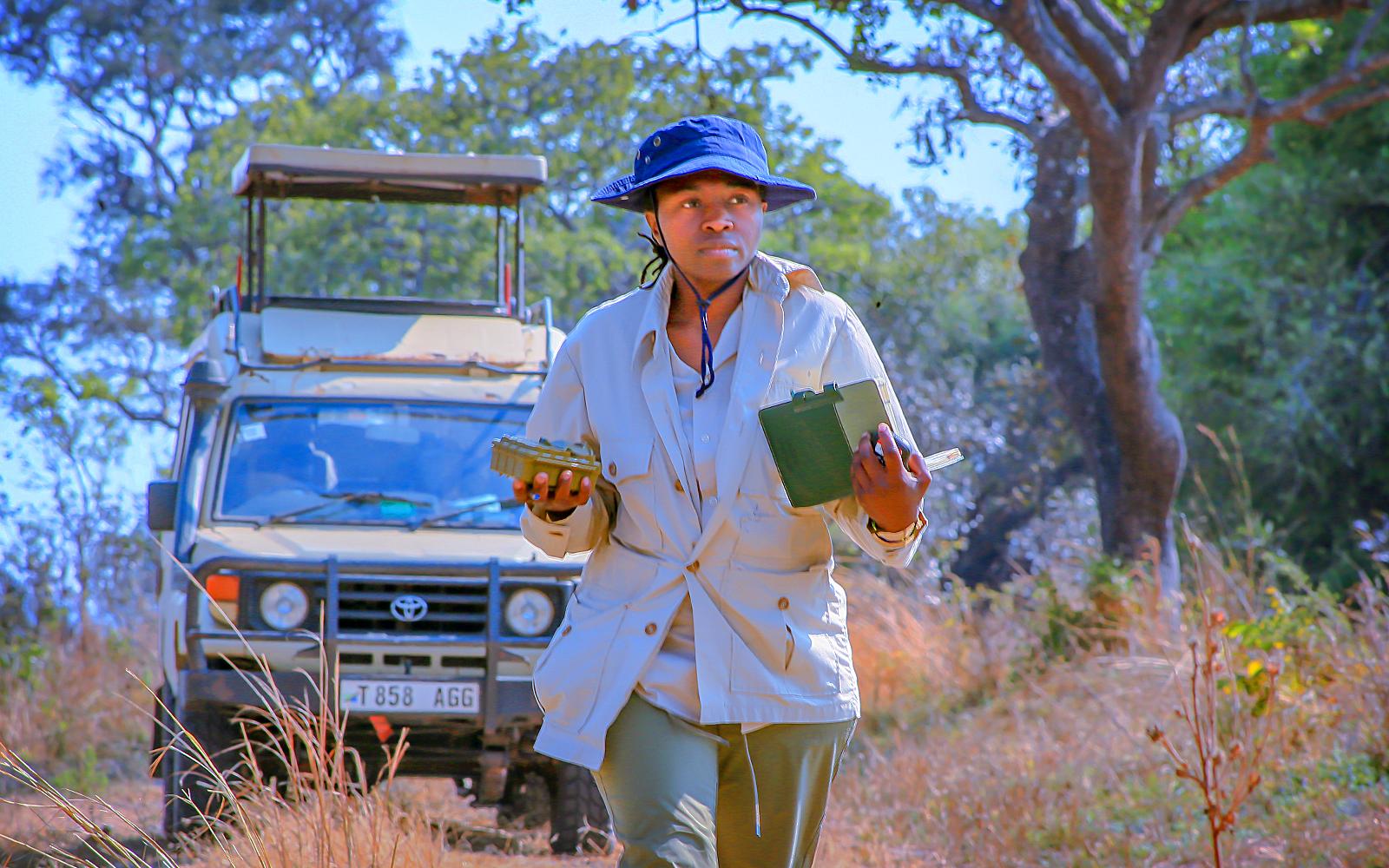
Little is known about the distribution of lions and wild dogs in the area, for example, and as predators that have significant influence on prey species and biodiversity more broadly, these animals have been the initial focus of study, which is supported by SUNY Potsdam’s Lougheed Endowment.
“Every time we check the images on the cameras, there is that excitement of not knowing what we are going to find,” Amulike said. “We have already recorded an amazing diversity of wildlife, including impala, bush pigs, warthogs, elephants, civets, genets, waterbuck, duikers, bushbuck and spotted hyenas, just to mention a few. Seeing this diversity appear in our camera-trap images has been incredibly exciting.”
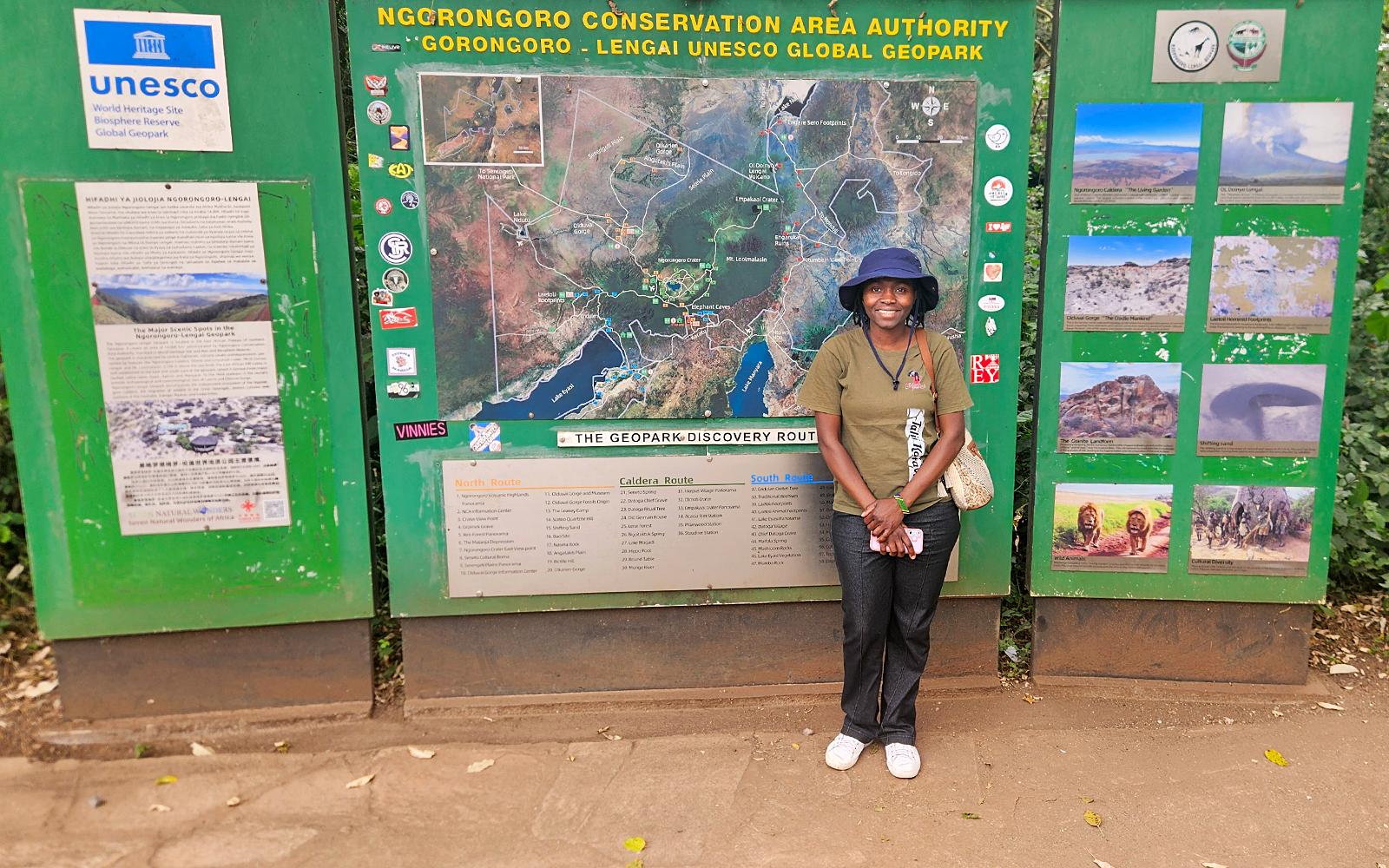
Species can only be well understood in the context of the ecosystem they inhabit, so Amulike and Johnson plan to conduct vegetation assessments to add missing pieces to the ecological mosaic. In future phases, they will also survey wetland aquatic species. From there, Amulike said, the research may branch in other tantalizing directions—depending on what is discovered.
“Katavi is incredibly rich in wildlife, but there is still so much to learn about the species that occur there and how they use the landscape,” explained Amulike, who is from Tanzania and has engaged in multiple projects in the country since 2002. “I often found myself wondering about these less studied landscapes: what species are there, how are they using these ecosystems, and what do we still have to learn about them?”
Research and partnerships for impact
Amulike visited Katavi in July 2025 and worked with park officials in identifying lions and wild dogs as key species of interest—partly because so little is known about their distribution and abundance inside and outside the park. As apex predators, the species are important to conservation management and tourism development. Amulike’s research focuses on biodiversity inventories, ecological databases on wildlife interactions and human wildlife interactions as key research areas identified by the Tanzanian Wildlife Research Institute.
Her passion for wildlife ecology is shared with Johnson, who officially retired from SUNY Potsdam on September 1. Before starting the Africa work, the two collaborated on Potsdam-area research into the role of small mammals in the spread of Lyme and other tickborne diseases, work that included colleagues Dr. Katherine Cleary and Dr. Jessica Pearson. They also jointly tackled ongoing work to understand the expansion of sandhill cranes in northern New York.
“This new project allows me to continue doing wildlife conservation work with students,” Johnson said. “I have long dreamed of visiting East Africa to experience firsthand the rich biodiversity in that region as well as understand how conservation issues are addressed and how recovery strategies are implemented in a very different area of the world.”
Collaborations add richness and depth to research initiatives. A partnership with the Tanzania National Parks Authority and the Department of Wildlife in the Katavi Regional Commissioner’s Office helps ensure that SUNY Potsdam findings are translated locally, where they can have the greatest impact. Student research is also key to the project, Amulike said, with Potsdam students engaging in wildlife image identification, data analysis and management and other hands-on aspects.
Her goal is to create a long-term research program that helps train the next generation of conservation scientists and ecologists.
“An important part of this project for me, especially as a professor, is creating opportunities for SUNY Potsdam students to gain practical experience in biodiversity research and conservation,” Amulike said. “I want my students to see that what they learn in ecology and conservation biology can be applied to real questions and real conservation challenges.”
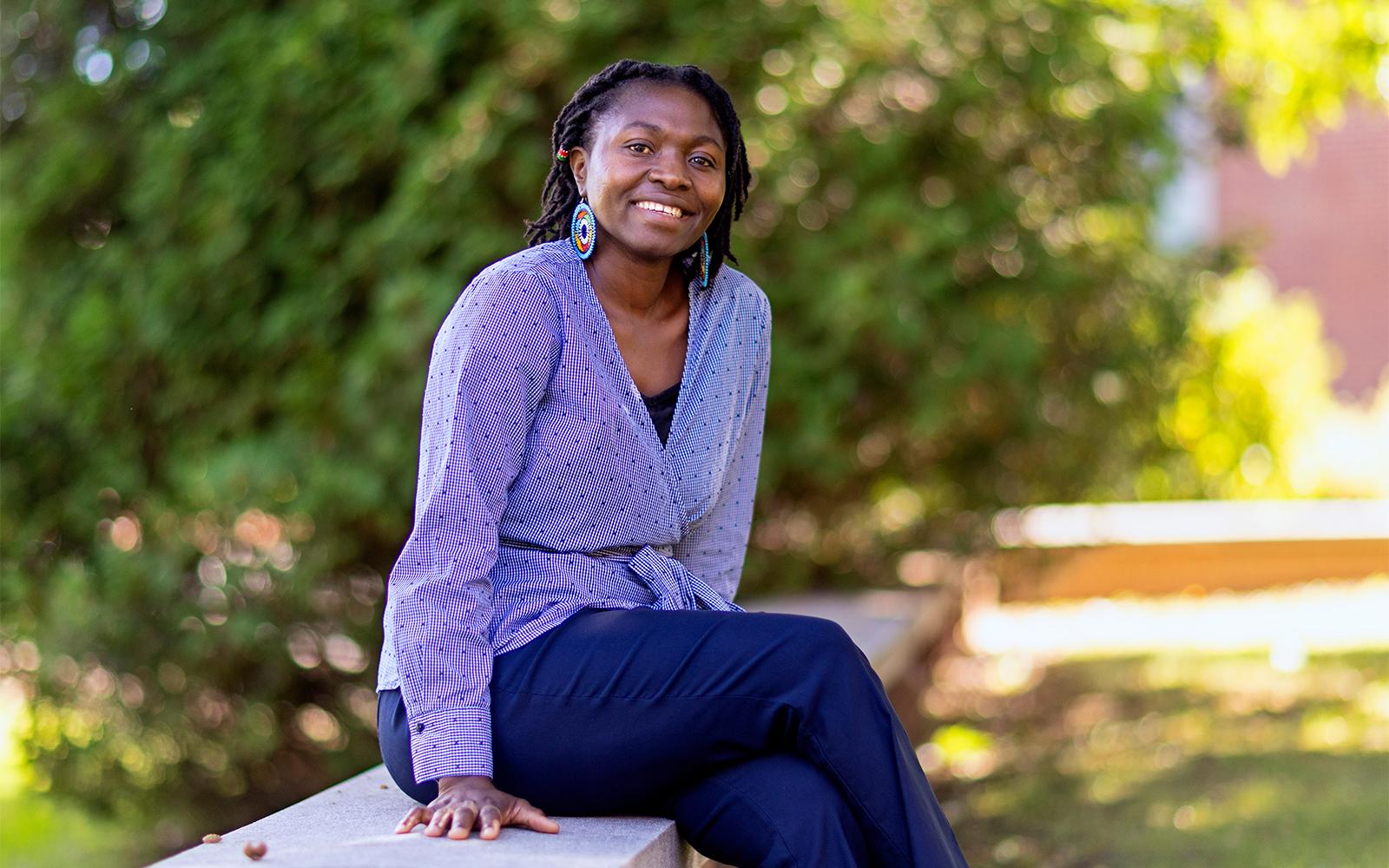
Amulike has spent the last 24 years contributing to knowledge of Tanzania’s ecosystems. She launched her conservation career in 2002 with the Frontier Tanzania Savanna Research Programme, where she surveyed amphibians, reptiles, invertebrates and mammals and conducted outreach and training in the Kilombero Valley. She investigated arthropod diversity in Arusha National Park from 2004-07, followed by work with Earthwatch Institute researching the food resources of lesser flamingos in the Great Rift Valley lakes of Tanzania and Kenya. In the following years, she researched spotted-necked otter conservation and ecotourism in Rubondo Island National Park, the ecology and conservation of the grey crowned crane and more.
Article by Bret Yager. Photos by Jason Hunter, Glenn Johnson and Bridget Amulike